The best roof underlayment is one that is suitable for the complete roof system being installed. For a home in Flagler County, the covering, slope, deck, exposure and manufacturer's instructions matter more than a generic ranking of materials.
Underlayment is installed beneath the roof covering. It is part of the roof's water-management system, but it does not make flashing, drainage or the finished covering optional.
Understand the broad product categories
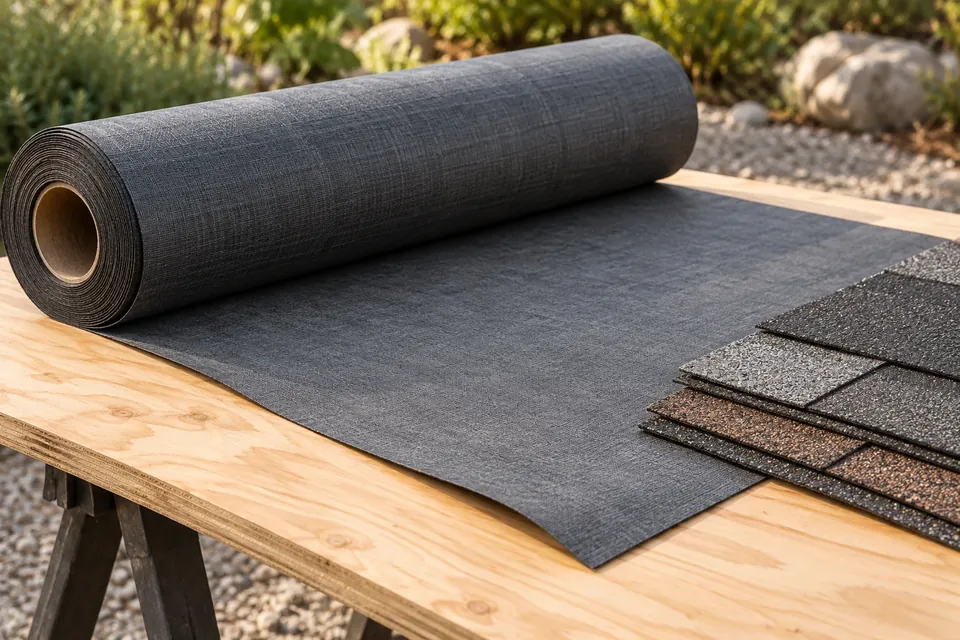
Asphalt-saturated felt, synthetic sheet underlayments and self-adhered products are different categories. Products within each category also differ. The terms describe a starting point for discussion, not a universal performance guarantee.
Ask the contractor for the exact manufacturer and product name. A claim such as synthetic or premium does not identify the installation instructions, permitted exposure or compatibility with the proposed covering.
Match it to the roof being installed
During roof replacement planning, ask how the underlayment selection fits the roof slope, deck and covering. A system for tile roofing may have different details from one for asphalt shingles or metal panels.
Have the contractor explain the applicable installation requirements for the actual project. Do not turn a generic online description into a fastening pattern, overlap measurement or approval for your address.
Temporary exposure is not a finished roof
Some products have manufacturer limits for exposure before the roof covering is installed. Ask what limit applies to the quoted product and how weather interruptions will be handled. An advertised exposure period is not a promise that an unfinished roof is safe in every storm.
If installation is delayed or the material is damaged, the contractor should assess its condition against the manufacturer's instructions before covering it. Keep any resulting changes documented.
Put the important details in writing
- The exact underlayment product and where it will be used.
- Compatibility with the covering and deck.
- How valleys, penetrations and roof edges will be addressed.
- Protection during weather delays and handling of damaged material.
- Which warranty applies and who is responsible for installation issues.
Underlayment should be evaluated with the rest of the roof, rather than selected because of sweeping waterproof, windproof or lifetime claims. A clear proposal and the manufacturer's current instructions are more useful than an unexplained best-product label.