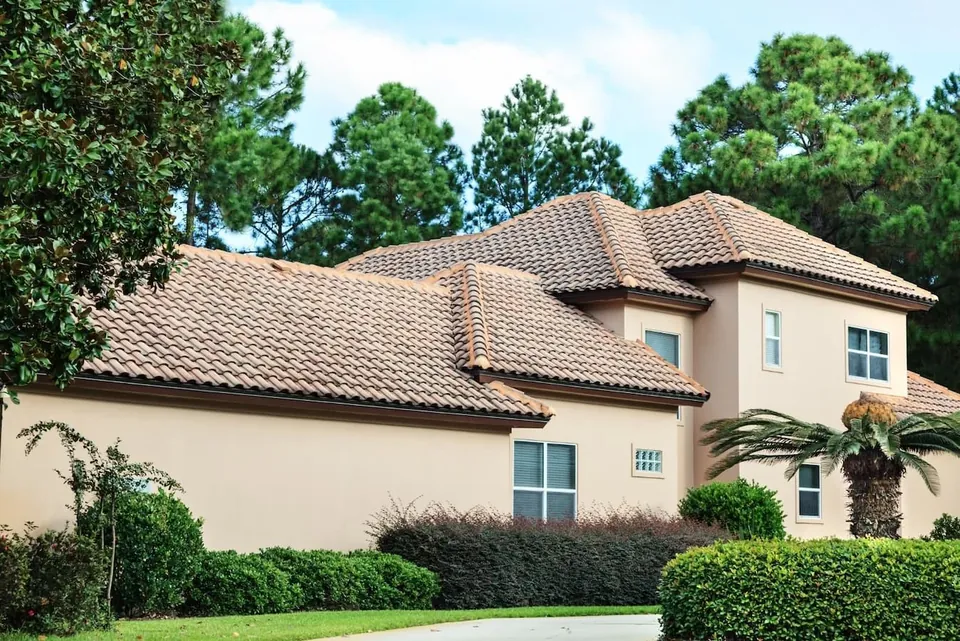
A Florida roof has to suit more than the home's appearance. Heat, frequent rain, storm exposure and, near the coast, salt all influence the questions to ask. In Palm Coast and Flagler Beach, neighboring houses can still need different solutions because their roof shapes, materials and conditions differ.
The best comparison is between complete proposed roof systems for the property, rather than a claim that one material is always the best choice in Florida.
Heat makes product details worth comparing
Color and surface properties affect how a roof handles sunlight. Insulation and the rest of the building also influence comfort and cooling use. Ask for performance information for the exact product and finish; do not treat a general energy-saving percentage as a prediction for your house.
When comparing metal roofs with shingle roofs, include appearance, installation requirements, maintenance and warranty coverage alongside any thermal-performance information.
Rain puts drainage and connections in focus
Water needs a dependable path off the roof. Valleys, penetrations, flashing and roof edges deserve attention because they connect different parts of the system. A ceiling stain can appear away from the entry point, so patching directly above it is not always a complete diagnosis.
Roof slope also matters. A low-slope roof uses different materials and details from many steep-slope roofs. Its drainage and membrane condition should be assessed as part of that system.
Storm resistance depends on the assembly
The roof covering is only part of the story. Attachment, decking condition and the details connecting components matter too. Ask the contractor to explain the proposed system's suitability for the building and applicable requirements. A material name alone does not establish how an installed roof will perform.
Coastal exposure changes the questions
Near saltwater, review the specified metal components, finishes and warranty restrictions. Ask about compatible fasteners and flashing, not just the visible panels or tiles. Maintenance instructions should refer to the selected products and exposure.
Start with the existing house
Before deciding on roof replacement, document the existing roof's condition and review the written scope. Ask what can be evaluated before tear-off and how concealed damage will be handled. Include any community appearance requirements in the planning process.
Florida's climate gives you a useful checklist, but the final choices should follow the house, the proposed materials and the installation details. Keep those decisions in the proposal so the finished work can be compared with what was agreed.