
After strong winds, a roof may have obvious missing material or a subtler change that needs investigation. In Palm Coast and Flagler Beach, begin with safe observations once the storm has passed. A reported wind speed alone cannot confirm or rule out damage to a particular home.
If the roof is actively leaking, discuss temporary protection and permanent storm-damage repairs as separate steps. Keep clear of downed lines, loose branches and visibly unstable areas.
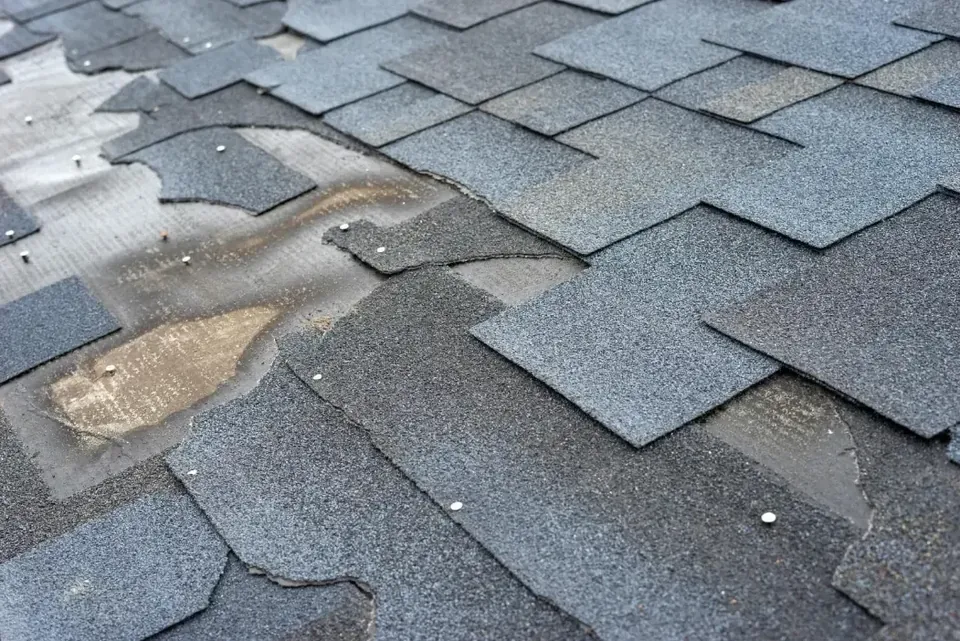
Look for changes from the ground
Missing shingles, a displaced tile, loose edge trim or fresh roofing debris are useful things to report. Photograph the wider roof section as well as any detail you can capture safely. A distant view cannot reveal every lifted edge or concealed problem.
Do not climb onto the roof, pull at shingles or attempt to reset loose material. A roof that looks mostly intact can still be unsafe to access.
Record interior symptoms safely
Note fresh ceiling stains or dripping from a safe, dry location. Stay out of areas with sagging ceilings or wet electrical equipment. Record when the leak appeared and whether it occurs only with rain from a particular direction, without assuming the entry point is directly above the stain.
Ask for findings, not a diagnosis from the forecast
A roof inspection should identify observed damage, accessible areas and any limitations. Ask the contractor to explain whether a concern involves the covering, flashing, attachment or another component.
- Which roof section is affected?
- What evidence supports the proposed repair?
- Is further investigation needed before the scope is final?
- How will any additional findings be documented?
Keep the records together
Save dated photographs, the inspection report, estimates and invoices. If you pursue an insurance claim, follow your insurer's reporting process and retain records of temporary work. An inspection finding is not itself a coverage decision.
Localized damage does not automatically mean the whole roof needs replacement. Where a larger project is recommended, compare the reasons and written replacement scope with the available repair option. The decision should follow the actual roof condition, not a generic wind-speed threshold.