
Shingles change as they weather, but different symptoms can have different causes. For a homeowner in Daytona Beach, it is more useful to document what changed than to assume every dark mark or loose granule means the roof needs replacement.
A roof inspection can help distinguish normal aging, localized damage and a broader condition problem. Here are five areas worth discussing.
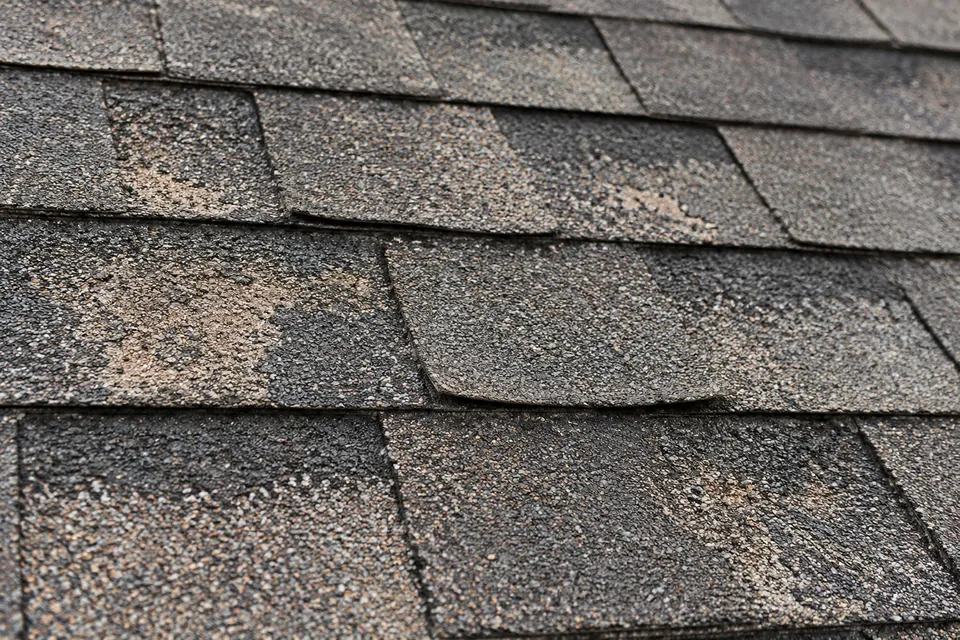
1. Aging and weather exposure
Sun, rain and temperature changes affect roof materials over time. Granule loss, cracking or curling may warrant evaluation, especially when changes are widespread. Age is useful background, but it does not establish the condition of every roof of the same age.
2. Wind and impact damage
Lifted, creased or missing shingles can follow strong wind. Branches and other debris can cause localized damage. Once it is safe, photograph visible changes from the ground and have uncertain areas assessed. Do not walk on the roof to pull at shingle edges.
If damage followed a storm, a storm-damage assessment can identify the affected area and separate temporary protection from permanent repairs.
3. Water entering at roof details
A leak does not always begin in the middle of a shingle. Flashing, penetrations, valleys and roof edges deserve attention. Water can travel before it appears indoors, so the stain's location alone is not a reliable repair specification.
4. Installation or incompatible repair materials
Attachment and detailing should follow the requirements for the actual product and roof. Ask for evidence before attributing a problem to workmanship. An exposed fastener or unusual patch needs context, not a diagnosis from one distant photograph.
The Asphalt Roofing Manufacturers Association advises against field-applied coatings and rejuvenators on installed asphalt shingles. Consult the shingle manufacturer before authorizing such a treatment; it is not a substitute for diagnosing deterioration.
5. Attic moisture or ventilation problems
The roof and attic need to work with the home's design. Where moisture or ventilation is a concern, ask for an assessment of the actual assembly. Adding vents without understanding that design can miss the cause.
Make the repair decision from the findings
Ask which observations are cosmetic, which need monitoring and which justify repair. Dark streaks alone do not establish that shingles are failing. For confirmed widespread deterioration, compare the documented repair scope with shingle roofing options and replacement planning, keeping photographs and estimates together.