
A replacement tile may look close to the surrounding roof and still be the wrong part. Color is visible from the street; the way a tile seats and connects to neighboring pieces is less obvious. Both deserve attention before a repair is approved.
When arranging tile roofing work on an Ormond Beach home, gather the original roof paperwork and any information about spare tiles. A manufacturer name, product line or old invoice can help narrow the search more than a distant photograph of the roof's color.
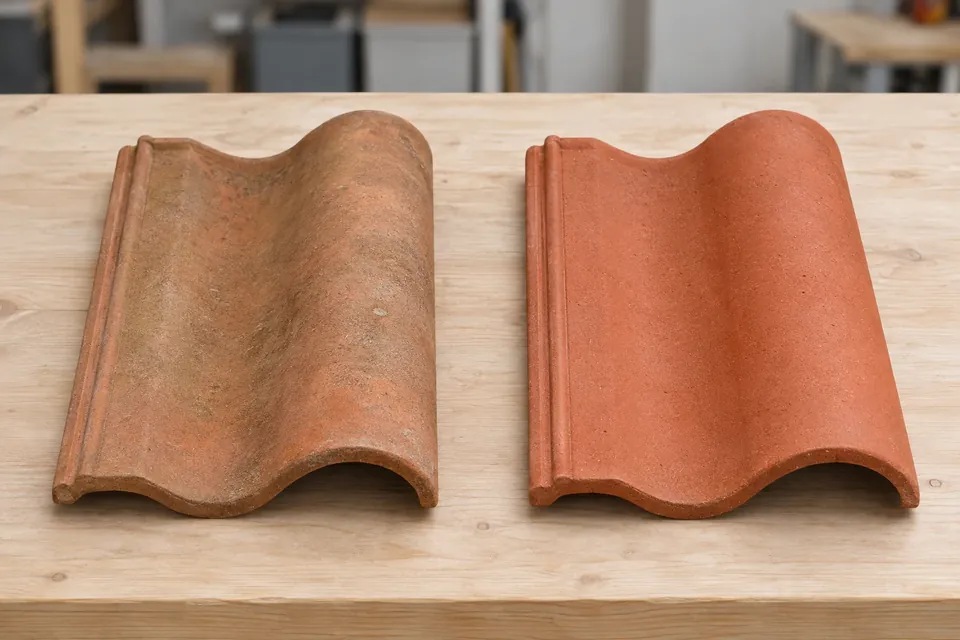
Identify the tile before shopping by appearance
Start with records you already have: the installation contract, material invoice, warranty documents and earlier repair receipts. If spare tiles are stored safely at ground level, photograph them and any visible identifying marks. Do not remove an installed tile or climb onto the roof just to obtain a sample.
Send the information to the roofer before the visit. Explain whether the concern is one broken piece, several displaced tiles or a leak. Those are different observations, and a tile order alone may not address the underlying problem.
Fit comes before a close color match
The Tile Roofing Industry Alliance's tile replacement technical brief recommends consulting the manufacturer about replacements that properly seat and interlock. Poor fit can contribute to leakage, breakage or misaligned courses. Similar-looking profiles are not proof of compatibility.
Ask the roofer to identify the proposed replacement product and explain how compatibility has been established. If a substitute is proposed, request the supporting manufacturer guidance and any applicable approval information. A statement that a tile is “about the same size” leaves the important questions unanswered.
Discuss appearance separately
Once the product is suitable, ask how the repaired area is expected to look. Compare an available sample with the roof under ordinary daylight, from a safe viewing position. A new piece may stand out beside weathered material even when it is the correct product. A photograph on a supplier's website is not a dependable color guarantee.
Record what has been agreed about appearance before the work starts. This is especially useful if the repair is on a prominent front slope. Keep a photograph of the proposed sample with the written estimate so the conversation does not depend on memory.
If the original product is discontinued
Ask which options have actually been checked. The alliance describes alternatives such as available salvage or carefully planned use of existing tiles elsewhere on the roof, but their suitability depends on fit, the roof design and applicable requirements. Availability alone does not make an alternative acceptable.
- What exact product is proposed, and where will it come from?
- How will its condition and fit be evaluated?
- What warranty applies to the replacement material and repair?
- What happens if suitable pieces cannot be obtained?
Make sure the scope reaches the cause
If water is entering the home, request a roof inspection that considers the surrounding roofing components, rather than assuming the visible broken tile explains everything. Ask the report to distinguish confirmed findings from concealed areas that need further investigation.
A discontinued tile does not, by itself, settle whether a repair or a larger project is appropriate. Request a documented explanation of the available options, any relevant manufacturer or local building requirements, and the condition of the roof before making that decision.