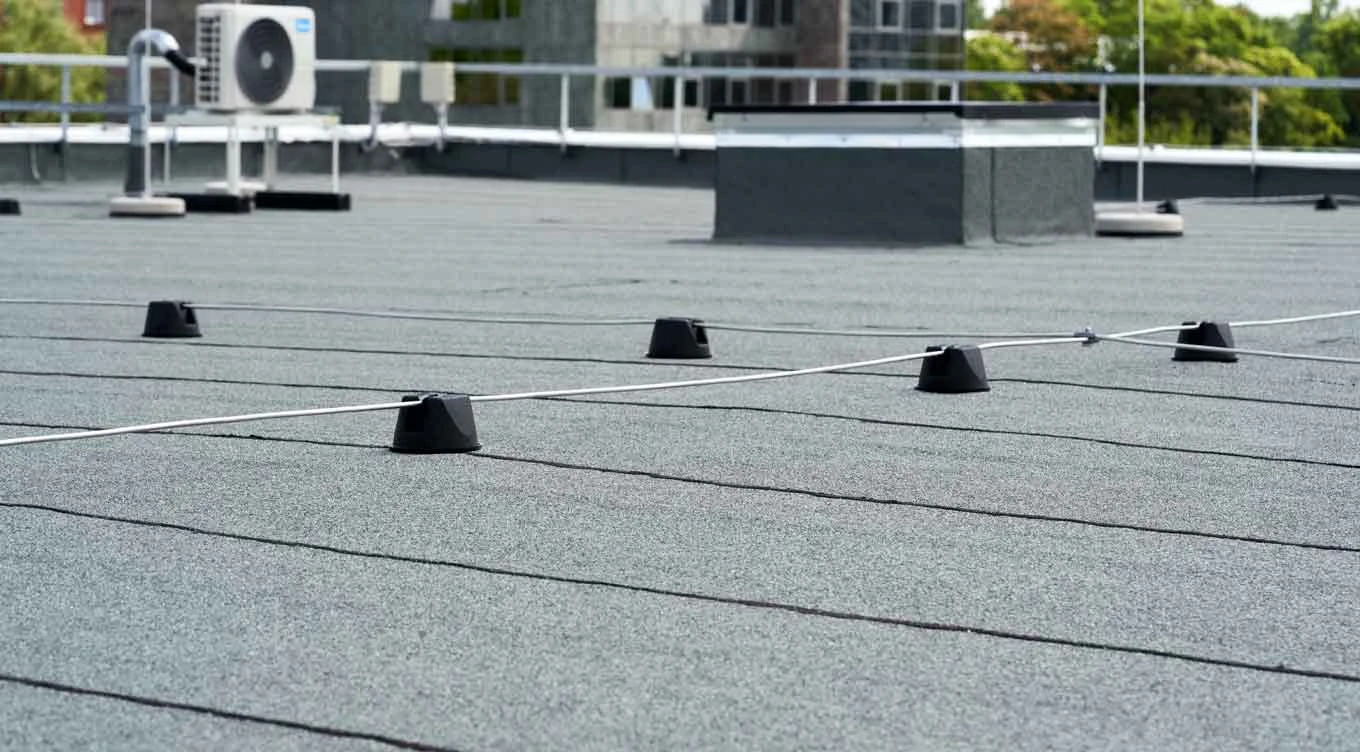
A photograph of a puddle on a flat roof raises a question, but it does not settle the repair. The contractor needs to know when the rain ended, where water collects and how that roof is intended to drain. A dry ceiling below does not answer those questions either.
If you own or manage a property in Ormond Beach, begin with a roof inspection that considers drainage as well as the visible covering. R&K's flat-roof services cover low-slope roofing, where the details around equipment and outlets deserve particular attention.
Bring a Timeline, Not Just a Photograph
Share any existing photographs taken by an authorized maintenance provider. Add the date, approximate end of the rain and the location of each affected area. If a contractor can safely make a follow-up visit, ask for comparison photographs from the same positions.
Do not go onto the roof to measure water depth or clear an unfamiliar drain. Keep occupants away from sagging ceilings or active electrical hazards. Report an active leak promptly instead of waiting for an arbitrary number of hours to pass.
Have the Contractor Trace the Intended Drainage
Ask where water should leave each roof section: an edge gutter, an internal drain or a scupper through a perimeter wall. Ask which components were accessible and inspected, and whether any outlet or overflow provision needs further investigation.
GAF's commercial roof maintenance guide calls for keeping drains, scuppers, gutters and downspouts clear. It also recommends retaining roof records and checking for damage after equipment service. Those are useful subjects to put on the inspection agenda.
If debris is removed, ask how drainage will be reassessed afterward. A before-and-after record helps distinguish an obstruction that was corrected from a low area that still needs investigation.
Distinguish Surface Repairs From Changes to Slope
Ask the contractor to explain whether the proposed repair addresses a damaged seam, a drain detail or the way water moves across the roof. A proposal should identify the actual finding behind each item, not merely list a coating or patch product.
Carlisle describes tapered insulation as a way to promote rooftop drainage. That does not mean every puddle needs a new insulation system. If a contractor proposes changing the slope during a roof replacement, ask for the intended drainage plan and how the transitions will be handled.
Ask What the Roof Records Say
Find the original system information, prior repair invoices and warranty paperwork if available. Tell the inspector about new HVAC equipment, service visits or other work since the last inspection. If the roof covering is uncertain, ask how it will be identified before materials are selected.
- What condition was observed, and where is it documented?
- Which parts of the roof could not be assessed?
- What work is proposed now, and what needs further investigation?
- How will completion be checked, and who handles follow-up?
Keep these answers with the inspection photographs. Owners in Volusia County can contact R&K to discuss a low-slope roof assessment and a scope based on the roof's condition.