A proposal that leaves old shingles in place can look attractive beside one that includes removal and disposal. But the two prices may buy different work. Before choosing a roof replacement, find out exactly which layers will come off, which will stay, and what the contractor can inspect.
For a home in R&K’s Palm Coast and Flagler Beach service area, start the conversation with the property address, roof history and any known leaks. An overlay should never be accepted simply because a neighbor had one. Your existing roof, selected product and applicable requirements need their own review.
What the two terms mean
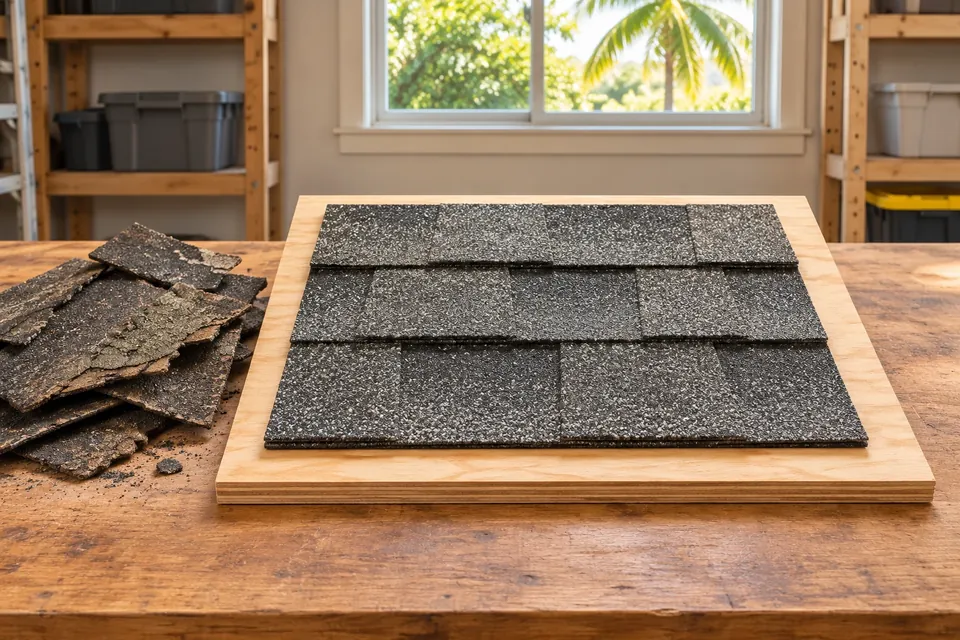
An overlay installs new shingles over an existing roof covering. A tear-off removes the old covering before the new system is installed. Ask the estimator to spell out how far removal goes: a phrase such as “new roof” does not tell you whether old underlayment, flashing or damaged decking is included.
Manufacturer permission is also conditional. GAF’s roofing-over-existing-shingles bulletin describes suitable existing surfaces and circumstances calling for removal, including concerns about deck deterioration. It is product guidance, not approval for a particular Palm Coast property. Have the contractor confirm the current product instructions and permitting requirements for your address.
Ask what can be seen before the price is final
Leaving the covering in place limits direct access to the deck beneath it. If there is a history of recurring leaks, explain where water appeared, when it happened and what repairs were attempted. A dry ceiling on inspection day does not erase that history.
Ask for photographs showing the condition that supports the recommendation. If the contractor recommends removal, ask what it will reveal and how damaged wood will be handled. If an overlay is proposed, ask what evidence supports keeping the underlying materials. “It looks fine from the street” is not a useful explanation of the concealed roof assembly.
Compare the scope line by line
- Removal: Which existing materials are removed, and where is disposal included?
- Deck repairs: How are concealed problems documented, priced and approved before extra work?
- Water-shedding details: Which flashing, edge and penetration components will be replaced or retained?
- Installation requirements: Who confirms that the proposed assembly meets the selected product’s instructions and applicable local requirements?
- Warranty: What written coverage applies to this exact assembly, and who handles a later leak complaint?
These questions are useful even when both contractors recommend a tear-off. A lower total can reflect a different allowance or exclusion rather than a better price for identical work. Request a revised written scope when a verbal explanation changes what you understood.
Choose the assembly before choosing the color
Once the removal and repair scope is clear, compare the shingle roofing options for the home. Keep the product choice, proposed assembly and warranty documents together so you can see whether they describe the same project.
You do not need to climb onto the roof or decide how many layers are present yourself. Bring the estimates and any leak records to the inspection. The useful outcome is a documented recommendation for this roof, with a clear plan for anything that cannot be confirmed until work begins.