
A water stain near a chimney, vent or outside wall is a reason to investigate that area, not proof that one visible joint is the source. Ask the inspector to explain the water path and the evidence behind the proposed repair.
For a home in Ormond Beach, a roof inspection should help separate what was observed from what remains uncertain. Flashing is worth discussing because it connects the roof covering to places where the surface changes direction or is interrupted.
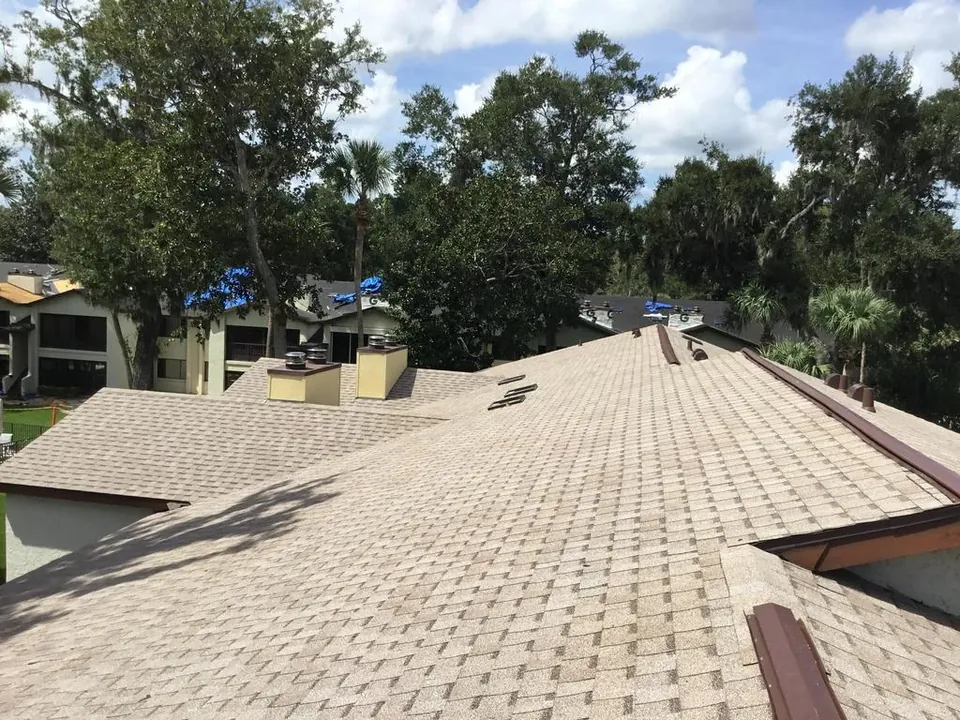
Know What the Flashing Is Doing
GAF's guide to roof flashing explains its role in directing water away from roof joints, penetrations and adjoining vertical surfaces. Examples include walls, chimneys, vent pipes and skylights. The correct detail depends on the roof and the component it meets.
Ask the roofer to point out the relevant pieces in inspection photographs. On a roof-to-wall connection, for example, ask how water from the wall is directed onto the roof surface. A close-up of a bead of sealant alone may not explain the full connection.
Ask Which Part Was Actually Inspected
Some components are concealed by roofing, siding or other materials. Ask what the inspector could see without removing anything and whether further investigation is needed. If a conclusion depends on opening an area, have the proposed access and restoration work described before authorizing it.
A useful report identifies a location you can recognize: the rear bedroom's outside wall, the downhill side of a chimney or the vent above the garage. It should distinguish an observed opening, corrosion or other condition from a suspected cause that has not been confirmed.
Provide existing photographs and the dates when water appeared. Mention any recent roof, wall, chimney or equipment work. Do not climb onto the roof to reproduce a leak or apply a temporary coating; arrange professional assessment and report active water entry promptly.
Check the Boundaries of the Repair
Ask whether the proposed work concerns the roof flashing, the adjoining wall or chimney, or more than one component. If another trade is needed, agree who will coordinate it. A roofing proposal should not leave you assuming that unrelated masonry, siding or interior repairs are included.
- What is the documented finding?
- Which components will be replaced or retained?
- What must be removed to reach the repair?
- How will opened areas be restored and checked?
- What conditions would require a revised scope?
Request an explanation if the proposal calls only for applying sealant. That wording should identify the material, the location and why the method addresses the finding. The homeowner's job is to understand the scope, not choose an installation detail from a photograph.
Include Flashing in a Replacement Discussion
When planning a roof replacement, ask which flashings the proposal includes and how any retained pieces will be assessed. “New roof” is not a detailed list of what happens at every wall, vent and chimney.
Owners in Volusia County can contact R&K to discuss an inspection and the questions a repair scope should answer. Bring the roof records and leak history so the visit begins with the relevant information.