Two proposals can both say “metal roof” and describe substantially different systems. Before comparing colors or the final price, find out which panel is being offered and how it attaches to the building.
Homeowners considering metal roofing in Daytona Beach can use the fastening system as a starting point for a more precise conversation. It is one part of the roof specification, alongside the material, finish, roof slope and details around edges and penetrations.
Start With the Panel Name
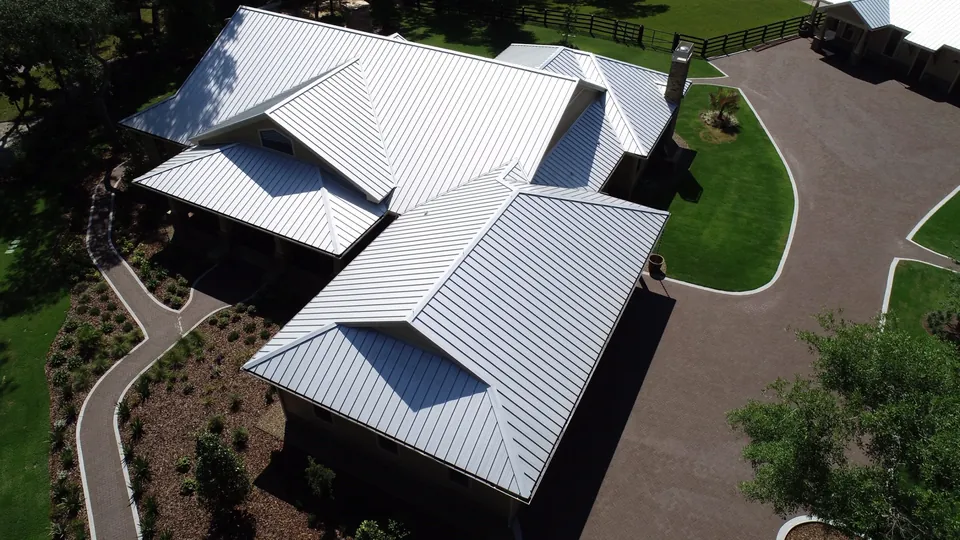
An exposed-fastener panel has attachment points through the visible panel surface. In a concealed-fastener system, the main attachments are covered by the panels or seams. Manufacturer MBCI identifies its PBU panel as an exposed-fastener system and describes its standing-seam systems as having concealed fasteners. These are examples of the distinction, not a recommendation for a particular product on your home.
Ask for the manufacturer and exact panel model in writing. “Standing seam” alone does not identify every detail of the assembly. A sample can help you understand the profile, but the contractor should also explain the attachment method that will be used on your roof.
Compare the Whole Assembly
Have both contractors describe the same items before treating the prices as comparable:
- Panel manufacturer, model, metal and thickness.
- Finish and any restrictions relevant to the property's location.
- Deck condition, underlayment and proposed attachments.
- Details at valleys, roof edges, walls and penetrations.
- What existing components will be removed, replaced or reused.
A roof with several intersecting planes raises different detailing questions from one simple rectangle. Ask the contractor to identify those intersections on photographs or a roof sketch. This makes an omission easier to spot than a general promise that “all trim is included.”
Ask What Maintenance Will Involve
Request the maintenance instructions for the proposed product. Ask which parts need periodic professional inspection, what conditions should prompt a call and who will handle follow-up. Have the contractor distinguish routine maintenance from work covered by a written warranty.
Do not interpret concealed fastening as a promise that the entire roof has no exposed attachments or needs no attention. Conversely, do not assume every exposed-fastener system has the same requirements. Get answers for the actual panel and accessories specified. Avoid climbing onto the roof to check or tighten fasteners yourself.
Make the Property Conditions Part of the Discussion
For a coastal property, tell the contractor about proximity to saltwater and ask how the proposed metal and finish suit that exposure. Ask for the manufacturer's relevant limitations in writing. A neighbor's roof or a generic warranty headline does not establish the terms for your address.
If you are weighing a full roof replacement against keeping the current covering, arrange an assessment first. For homes elsewhere in Volusia County, the same comparison starts with the building and the specified system. Contact R&K with your roof type, property location and the questions you want the proposal to answer.